
I know as a parent or as a school based occupational therapist you don’t want to hear the summer sun is setting, and the buzz of “back to school” is getting spread like wild fire. While you’re busy with school supply lists or restocking your OT supplies and new routines, don’t forget one of the most powerful tools for getting little hands and minds ready for the classroom or your OT sessions: playdough!
As an Occupational Therapist, I cannot tell you how important playdough is for developing all the foundational skills needed within the academic setting. It’s not just for play; it’s a sensory-rich medium that builds hand strength, hand muscles, refines fine motor control, enhances visual motor skills, and even supports self-regulation – all important for a successful start to the academic year and into the year as well.
So, ditch the pre made store bought packets and turn off that tracing app on whatever device it is used for just a moment and let’s get squishing! Here are some of my top playdough creations and activities to boost back-to-school readiness.
1. Fine Motor & Hand Strength Building
These creations are fantastic for building the tiny muscles in the hands and fingers, essential for holding pencils, cutting with scissors, and managing fasteners.
Let’s Make Pizza!
- How it helps: Pushing down with palms and fingers strengthens all the little muscles in the hand. Rolling with two hands builds bilateral coordination.
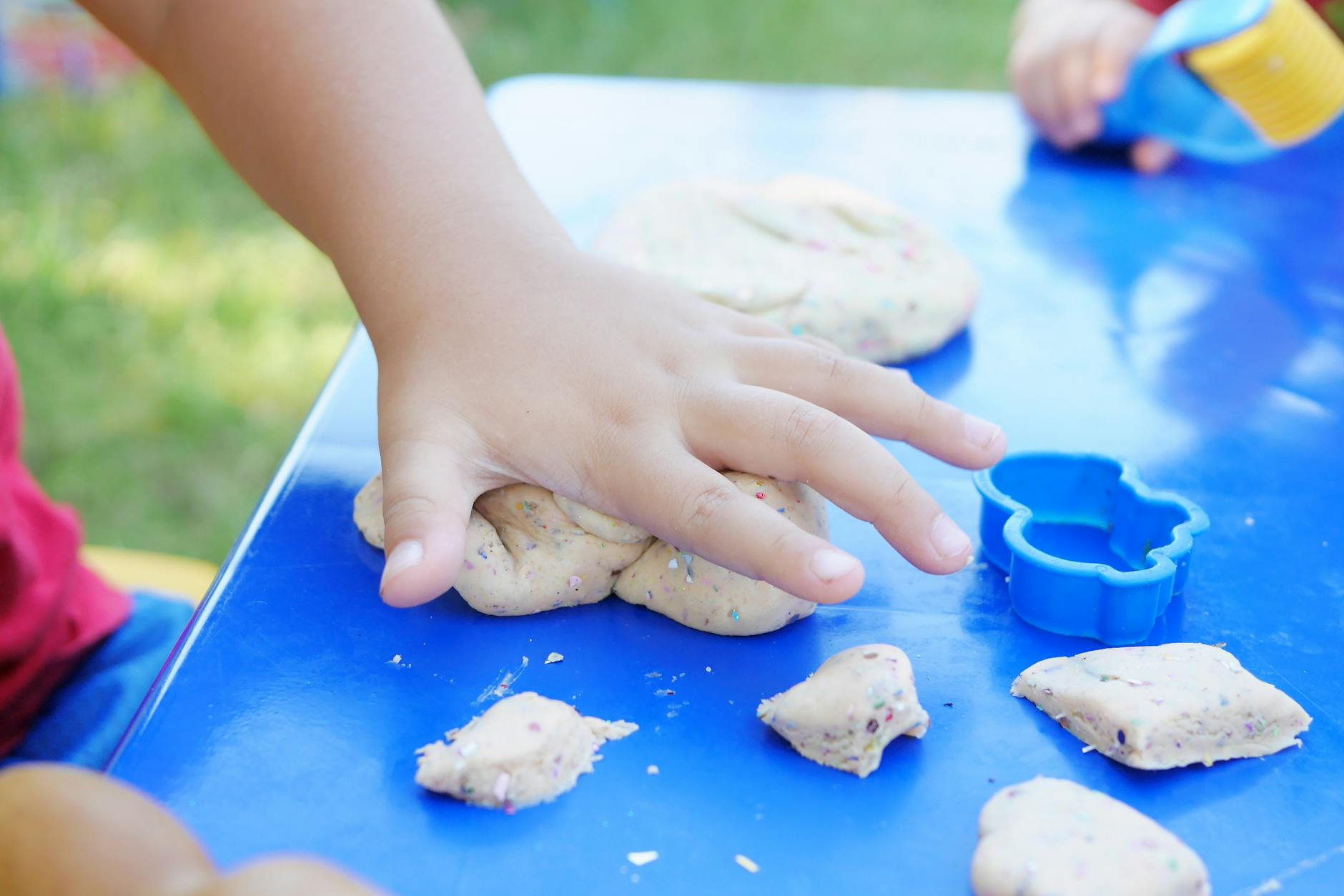
- Activity: Have your child or student roll a large ball of playdough, then use both hands to flatten it into a “pancake.” Then, they can pinch off small pieces of different colored playdough for “pepperoni” or “cheese” for their playdough pizza.
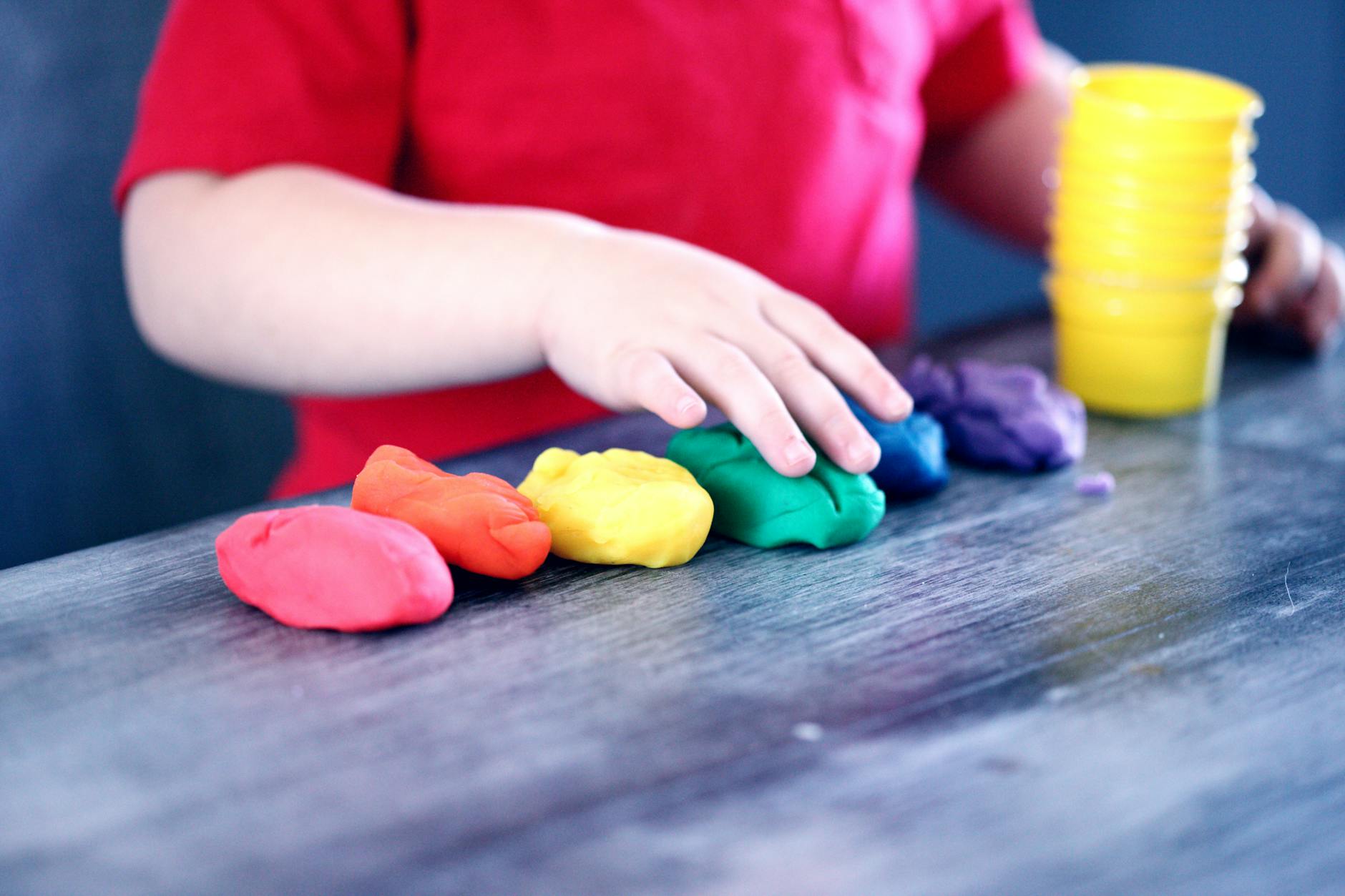
The “Playdough Snake or Worm” Roll
- How it helps: Rolling long “snakes” or “worms” works on bilateral coordination and forearm rotation, which is important for handwriting and self-care tasks.
- Activity: Encourage your child to roll the playdough between their palms, or on a flat surface, to create long, thin shapes.
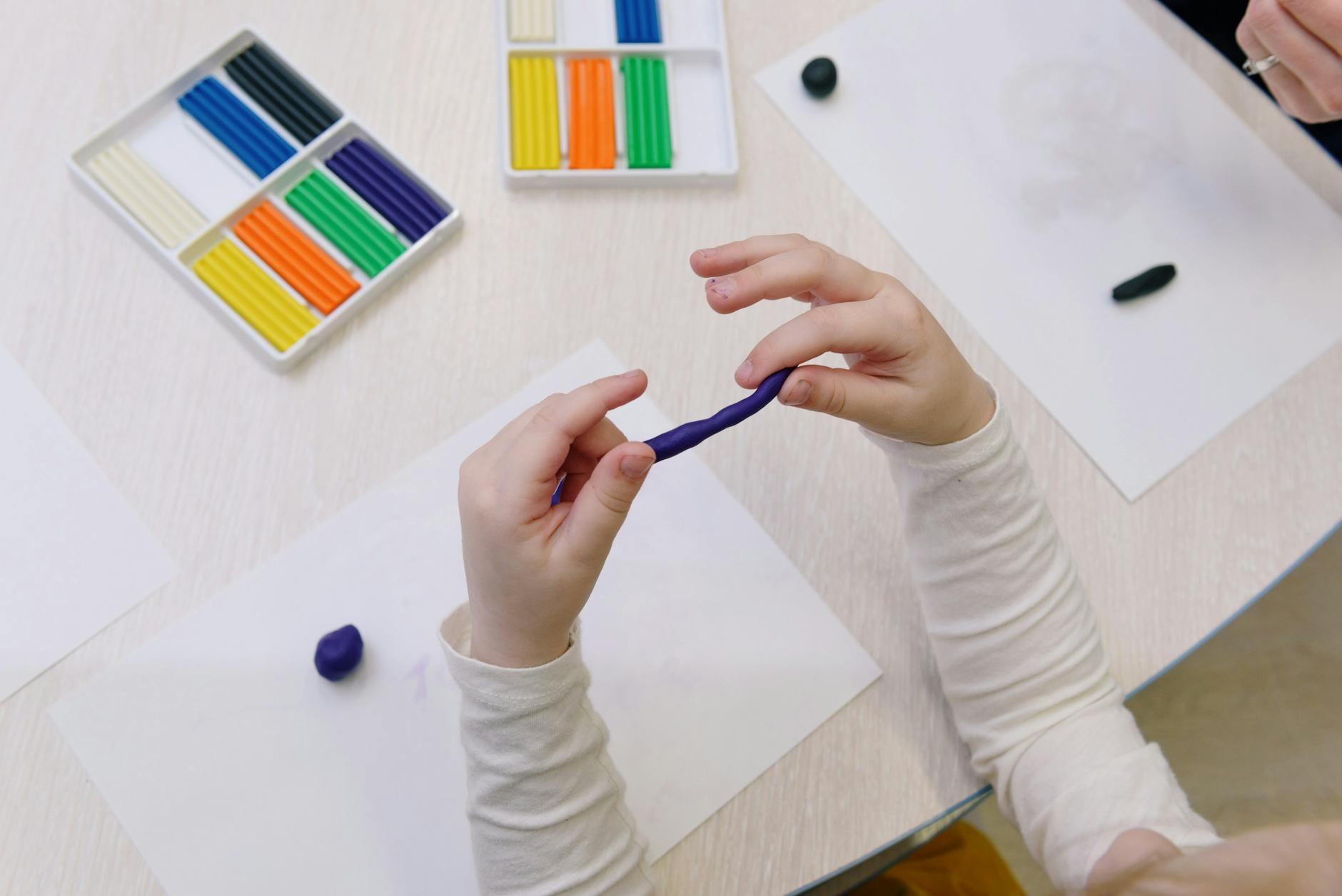
The “Hidden Treasures” Squeeze & Pinch
- How it helps: Squeezing the playdough builds overall hand strength. Pinching out small objects refines the pincer grasp, crucial for picking up small items like beads or buttons and developing the space between the thumb and first finger for holding a pencil.
- Activity: Hide small beads, buttons, or dry pasta in a ball of playdough. Have your child squeeze and pinch the playdough to find all the hidden treasures.
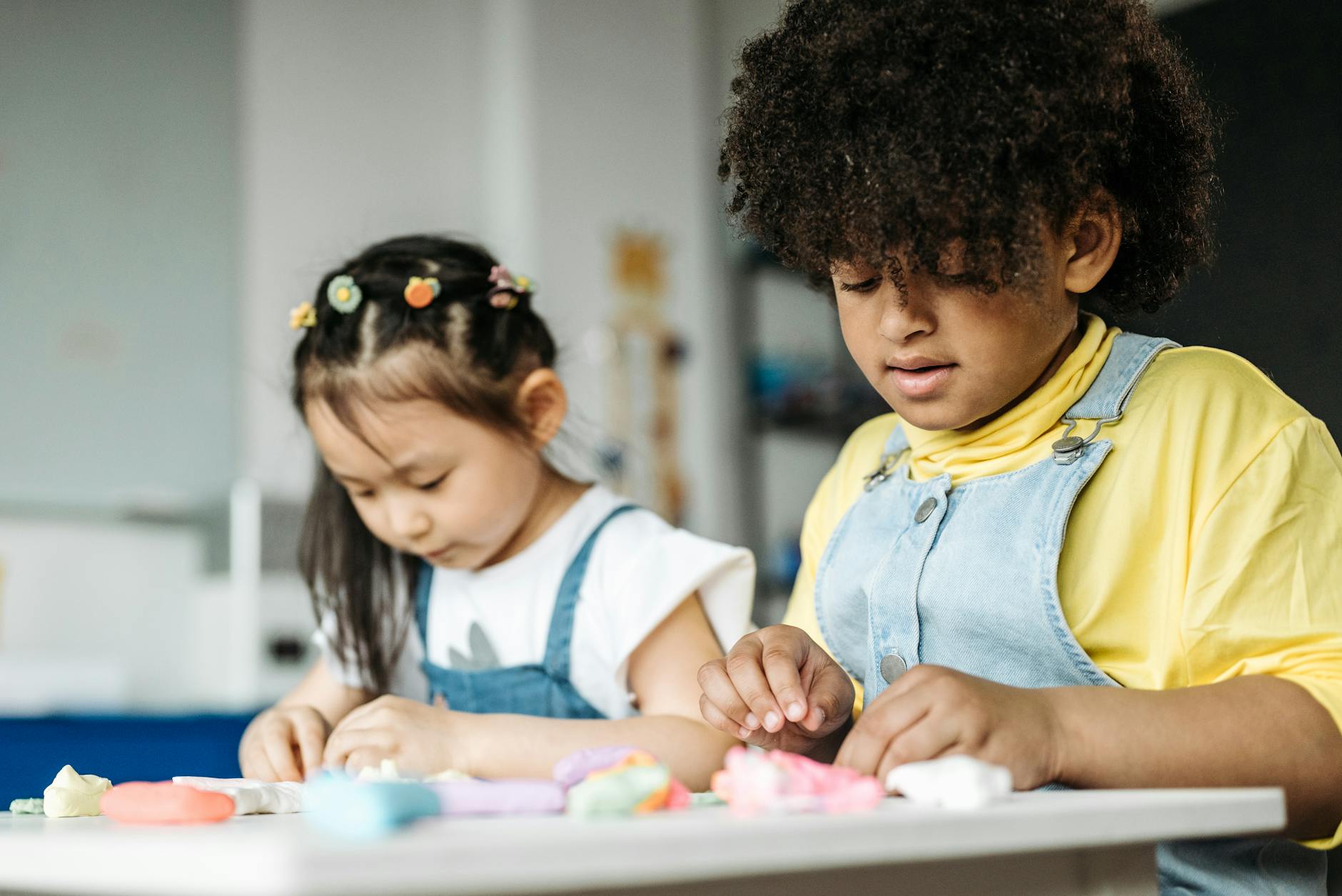
2. Pre-Writing & Visual Motor Skill Builders
These activities help develop the visual perception and motor planning needed for forming letters and shapes.
The “Playdough Letter & Number Builder”
- How it helps: Forming letters and numbers with playdough helps children understand the shapes and strokes needed for handwriting in a multi-sensory way. It also works on fine motor precision and motor planning.
- Activity: Give your child a model of a letter or number (e.g., on a card). Have them roll thin playdough “snakes” and then bend and shape them to form the letter or number.

The “Shape & Line Impression”
- How it helps: Pressing stamps or cookie cutters into playdough helps develop graded pressure, visual motor integration, and an understanding of different shapes and lines.
- Activity: Flatten a piece of playdough. Use letter stamps, shape cookie cutters, or even the edge of a ruler to make impressions. Children can then trace these impressions with their finger or a stick.
3. Self-Regulation & Focus Enhancers
Playdough can be incredibly calming and help children organize their sensory systems, leading to better attention and focus in the classroom.
The “Calm Down Squeeze Ball”
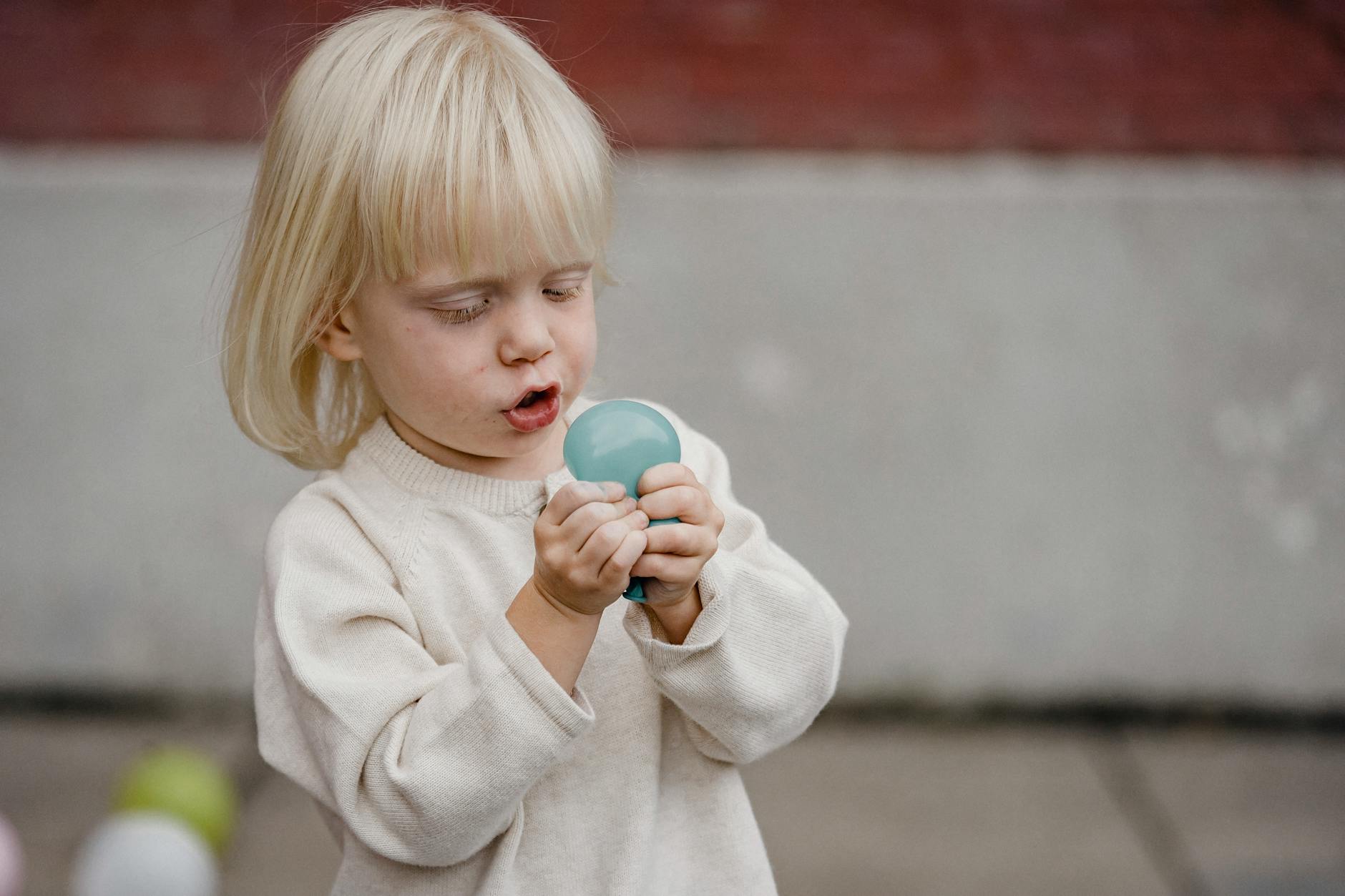
- How it helps: The resistance and tactile input from squeezing playdough can be very regulating for children who need sensory input to calm their bodies and minds. This can improve their ability to focus during seated tasks.
- Activity: Encourage your child to simply squeeze, pull, and pound the playdough when they feel overwhelmed or need a “brain break.” You can even put a small amount inside a balloon for a homemade stress ball.
Get Ready for a Great School Year!
Incorporating these fun playdough activities into your back-to-school routine is a fantastic way to build essential fine motor skills, hand strength, pre-writing readiness, and self-regulation. These foundational abilities will give your child a confident start to their academic journey.
Looking for more ways to prepare little hands for school? Our FREE Playdough Fine Motor Activities printable is packed with even more ideas, and our Pre-Writing Checklist can help you track progress!